
A. Basic Program Information
- Official name of the academic program
- Bachelor of Science in Computer Science
-
- Degree/Qualification
- Data Analytics
- Program Level
- Level III Reaccredited
- College/academic unit offering the program
- College of Information and Computing Studies
- Campus where the program is offered
- Estancia
-
- Program Duration
- 4 years
-
- Mode of Delivery
- Face to Face
-
- Language(s) of instruction
- English, Tagalog, and Hiligaynon
-
- Brief program description
The BS Computer Science program includes the study of computing concepts and theories, algorithmic foundations and new developments in computing. The program prepares students to design and create algorithmically complex software and develop new and effective algorithms for solving computing problems.
The program also includes the study of the standards and practices in Software Engineering. It prepares students to acquire skills and disciplines required for designing, writing and modifying software components, modules and applications that comprise software solutions.
A Specialization in Data Analytics will further prepare students to be competent in uncovering patterns to extract valuable information to support organizations for efficient and informed decision making.
B. Program Objectives and Outcomes
At the completion of the program, the graduates should have:
- acquire computing concepts and theories, algorithmic foundations and new developments in computing to design and develop software solutions;
- equip with adequate preparations, practicum programs, field exposures and related learning experiences to meet future needs in the field of computing;
- engage in research and collaborative work with the industry to ensure the practical application of computing technologies;
- impart technology transfer through extension activities in the hope that it will improve the lives of the community it serves;
- develop teamwork and interpersonal skills, social responsibilities and participation to local, regional and nation building.
- Apply Knowledge of Computing. Apply knowledge of computing fundamentals, mathematics, and relevant sciences to solve complex computing problems.
- Analyze Computing Problems. Identify, analyze, and formulate computing problems and determine appropriate requirements for their solutions.
- Design and Develop Solutions. Design, implement, and evaluate computer-based solutions, systems, and applications that meet specified requirements.
- Apply Computing Theory and Principles. Apply computer science theories, algorithms, data structures, and computational techniques to develop efficient solutions.
- Use Modern Computing Tools. Select and utilize appropriate programming languages, software tools, platforms, and technologies to develop and maintain computing systems.
- Conduct Computing Research. Apply research methods, experimentation, data analysis, and critical thinking to investigate computing problems and evaluate proposed solutions.
- Communicate Effectively. Communicate technical information, ideas, and solutions effectively through written reports, oral presentations, and appropriate digital media.
- Work Effectively in Teams. Collaborate effectively as an individual or as a member or leader of multidisciplinary teams to achieve common objectives.
- Practice Professional Ethics. Demonstrate ethical conduct, professional responsibility, respect for intellectual property, and awareness of privacy, security, and social issues in computing.
- Engage in Lifelong Learning. Recognize the need for continuous professional development and independently acquire new knowledge and skills in response to emerging computing technologies.
- Understand the Impact of Computing. Evaluate the social, economic, environmental, legal, and cultural impacts of computing technologies on individuals, organizations, and society.
- Develop Innovative Computing Solutions. Apply creativity, critical thinking, and entrepreneurial skills to develop innovative computing products, services, and solutions to real-world problems.
C. Curriculum
D. Admission Information
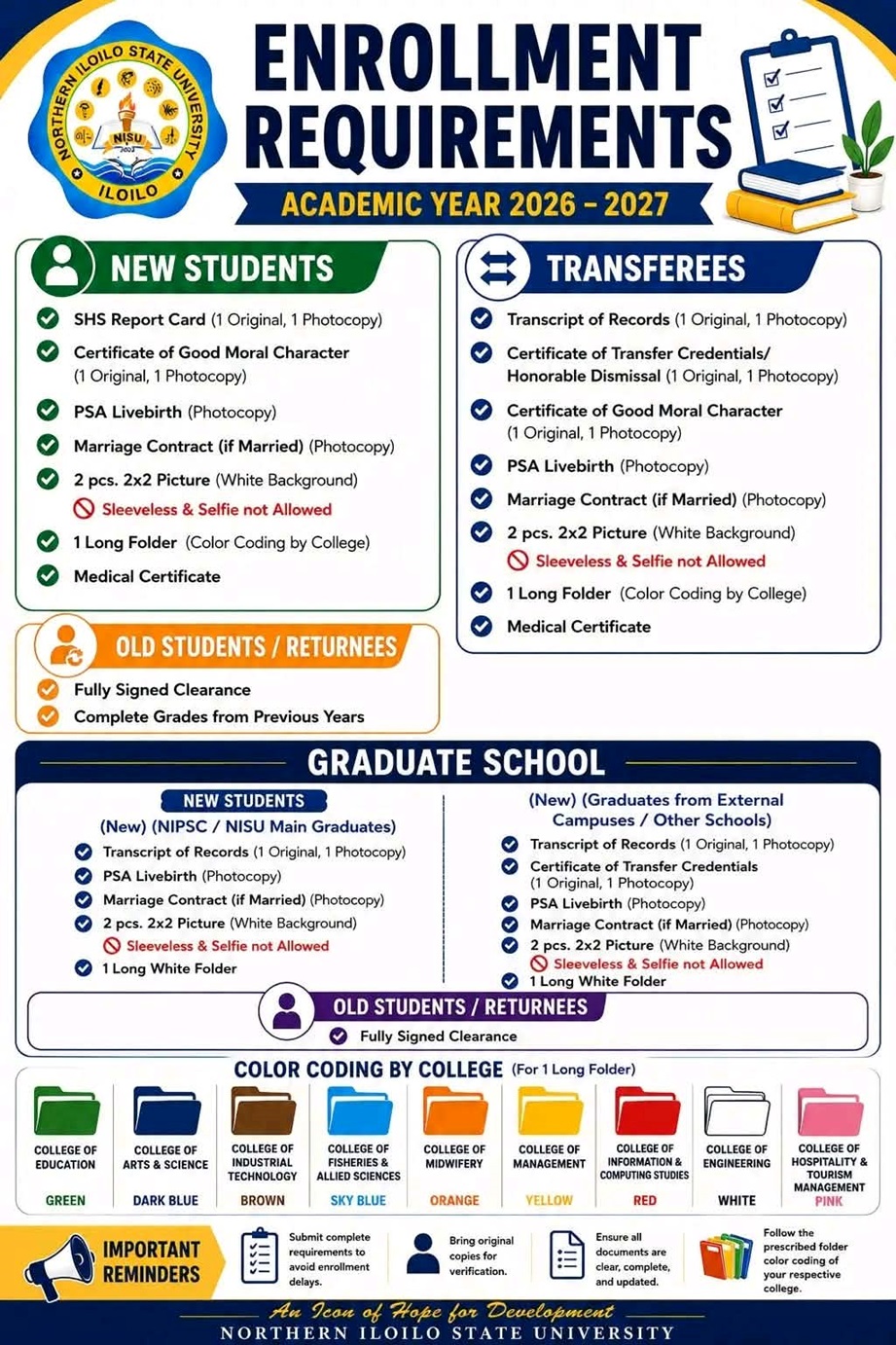
E. Fees, Scholarships, and Financial Assistance
- RA No. 10931 (Free Tuition Law)
- Tertiary Education Subsidy (TES)
- Tulong Dunong Program (TDP)
F. Faculty Profile
| Name of Faculty (List all the core faculty in your program) | Qualifications | ||
| Bachelor’s Degree | Master's Degree | Doctorate Degree | |
| Dr. Bella Gertrude B. Alpasan | BS Computer Science
| Master in Information Technology MAT in Information and Communication Technology (MAT-ICT) Master of Science in Computer Science (CAR) | Ph. D in Educational Technology |
| Prof. Anrem J. Balontong | BS Computer Science | Master of Science in Computer Science | Doctor in Information Technology(on Dissertation Writing) |
| Dr. Arnold B. Bañes | BS in Computer Eng’g | Master in Information Technology MAT in Information and Communication Technology (MAT-ICT) Master of Science in Computer Science (CAR) | Doctor of Education major in Educational Technology |
| Dr. Sheila Mae S. Pagayonan | BS in Applied Information Technology | Master in Information Technology | Ph. D in Educational Technology Doctor in Information Technology(on Dissertation Writing) |
| Dr Rhonaida B. Wenceslao | BS Computer Science
| Master in Information Technology MAT in Information and Communication Technology (MAT-ICT) Master of Science in Computer Science (CAR) | Ph. D in Educational Technology |
| Dr. Felicisimo V. Wenceslao Jr. | BS Computer Science | Master of Science in Information Technology | Doctor in Information Technology
Doctor of Education |
G. Research and Innovation
| Name of Faculty | Title of the Article | Co-authors (if applicable) | Journal | Level (Local, Regional, National, International) | Indexing (Scopus, WoS, ACI, CHED, or Others) | Volume and Issue No. | Date of Publication |
| Alpasan, Bella Gertrude
| Design and Development of Institutional Scientific Publications, Innovation, and Research Management System (INSPIRE-MS) with Descriptive Analytics for the Digitalization of University Research Management Processes
| Allemar Jhone Delima Jan Carlo Arroyo April Rose Zaragosa Anrem Balontong Ladelyn Tolentino | International Exchange and Innovation Conference on Engineering & Sciences (IEICES) | International | Scopus |
| October 2025 |
| Theses and Dissertations Abstract E-Archiving System with SMS Support
|
| INTERNATIONAL JOURNAL OF MULTIDISCIPLINARY RESEARCH AND ANALYSIS | International | others | Volume 05 Issue 01
| January 2022 | |
| Senior Citizen information System | April Rose A. Zaragosa, Mary Jane V. Esimos3 , Sharra Mae B. Fernandez, Audrey Karyl P. Maligang5 , Sheila Mae S. Pagayonan. | INTERNATIONAL JOURNAL OF MULTIDISCIPLINARY RESEARCH AND ANALYSIS | International | others | Volume 05 Issue 01
| January 2022 | |
| A Comparative Study on Webpage Browsing Performance between Proprietary and Open Source Operating Systems on Wireless Networks | Sharra Mae B. Fernandez, Mary Jane V. Esimos , Audrey Karyl P. Maligang4, Sheila Mae S. Pagayonan , April Rose A. Zaragosa | INTERNATIONAL JOURNAL OF MULTIDISCIPLINARY RESEARCH AND ANALYSIS
| International | others | Volume 05 Issue 01
| January 2022 | |
| Alpasan, Bella Gertrude
| Automated Security Light Motion Sensor with SMS Notification |
| INTERNATIONAL JOURNAL OF MULTIDISCIPLINARY RESEARCH AND ANALYSIS | International | others | Volume 05 Issue 01
| January 2022 |
| Household Workers Profile System |
| International Journal of Social Science And Human Research | International | others | Volume 04 Issue 12
| December 2021 | |
| Balontong, Anrem | Swine Management System in PLF Integrating Image Processing for Weight Monitoring
| Bobby Gerardo, Ruji P. Medina
| International Journal of Advanced Trends in Computer Science and Engineering | International | Others | Volume 9, No.11 | November 2020 |
| Bañes, Arnold
| Jan Carlo T Arroyo, Allemar Jhone P Delima, Mark Ronar G Galagala, Jenny Rose V Wenceslao, Raoul Rey G Flores | International Exchange and Innovation Conference on Engineering & Sciences (IEICES) | International | Scopus |
| November 2025 | |
| Development of App-Based E-Board Announcement System with SMS Support |
| INDIAN JOURNAL OF SCIENCE AND TECHNOLOGY | International | WOS | Volume: 15 Issue: 14 | April 2022 | |
| Tax Management System for Local Government Unit with SMS Notification |
| INTERNATIONAL JOURNAL OF MULTIDISCIPLINARY RESEARCH AND ANALYSIS | International | Others | Volume 06 Issue 02 | February 2023 | |
| Pagayonan, Sheila Mae
| Felicisimo V. Wenceslao Jr | 2026 7th International Conference on Mobile Computing and Sustainable Informatics (ICMCSI) | International | Scopus |
| 2026 | |
| AI-Driven Image Analysis for Automated Size and Weight Estimation of Fishpond Mud Crab | Sharra Mae B. Fernandez, Gary Guillergan, Patrick D. Cern | 2025 International Conference on Intelligent Computing, Information and Control Systems (ICOIICS) | International | Scopus |
| 2025 | |
| ICT-Based Needs Assessment Analysis in Partner Community | Sharra Mae B. Fernandez | INTERNATIONAL JOURNAL OF MULTIDISCIPLINARY RESEARCH AND ANALYSIS | International | Others | Volume 05 Issue 05
| May 2022
| |
| Library Management Information System for Public High Schools: An Impact Assessment | Sharra Mae B. Fernandez | International Journal of Research in Engineering and Science (IJRES) | International | Others | Volume 10 Issue 5 | 2022 | |
| Wenceslao, Felicisimo Jr. V. | Japhet P Fulmaran, Chester L Cofino, Ryan B Esocrial, Van Roger B Gutib, Don C Opada | 2026 4th International Conference on Sustainable Computing and Smart Systems (ICSCSS) | International | Scopus |
| 2026 | |
| Automated and Manual Mushroom Cultivation: Evaluating Production and Yield Trends | Ken M Balogo | 2025 International Conference on Sustainable Communication Networks and Application (ICSCN) | International | Scopus |
| 2025 | |
| Managerial Skills among Integrated and Non-Integrated School Heads in the Schools Division of Iloilo, Philippines: A Comparative Study
| Gasapo, Francis B., Frugalidad, Irish Jane A., Gasapo, Helen A. | International Journal of Social Science And Human Research | International | Others | Volume 4, Issue 6 | June 2021 | |
| School Administrators’ Personality Traits: Its Relationship to Teachers’ Performance | Bandojo, Harvey Israel G., Gasapo, Helen A. | International Journal of Social Science And Human Research | International | Others | Volume 4, Issue 6 | June 2021 | |
| Development and Evaluation of the Two-Factor Authentication for Credit Card Systems Security using the Modified AES Algorithm |
| IAENG International Journal of Computer Science | International | Scopus | Volume 46, Number 4 | November 2019 | |
| An Empirical Study On The Use Of Web Tutorial Sites To Enhance Students’ Performance In Web Programming Class |
| International Journal of Educational Research | International | Others | Volume 3, Issue 6 | June 2019 | |
| Comparative Analysis Between Pin-Code And Pattern-Based Android Security Lock Implementations |
| ANCHOR | Local | Others | Volume 3, Number 2 | December 2018 | |
| Enhancing the Performance of the Advanced Encryption Standard (AES) Algorithm Using Multiple Substitution Boxes |
| International Journal of Communication Networks and Information Security | International | Scopus | Volume 10, Number 2 | December 2018 | |
| Wenceslao, Rhonaida B.
| IoT-Based Emergency Notification System for Physically-Challenged Individuals | Jon Laurence B Wenceslao | 2026 7th International Conference on Mobile Computing and Sustainable Informatics (ICMCSI) | International | Scopus |
| 2026 |
| A Framework Model of an Intrusion Detection System for School Networks | Wenceslao, Felicisimo Jr. V. | ANCHOR | Local | Others | Volume 2, Number 1 | December 2017 |
H. Industry and Community Engagement
- DENR Environmental Management Bureau
- ILOILO Provincial Capitol
- ILECO III Electric Cooperative Inc.
- First Consolidated Bank (FCB)
- LGU Estancia
- LGU Balasan
- LGU San Dionisio
- LGU Batad
- LGU Sara
- LGU Carles
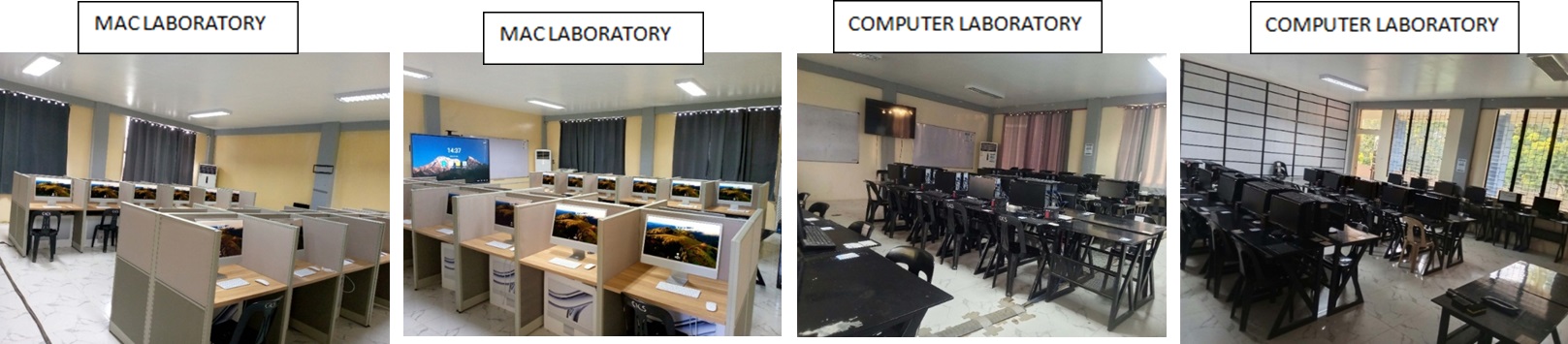
I. Facilities and Learning Resources
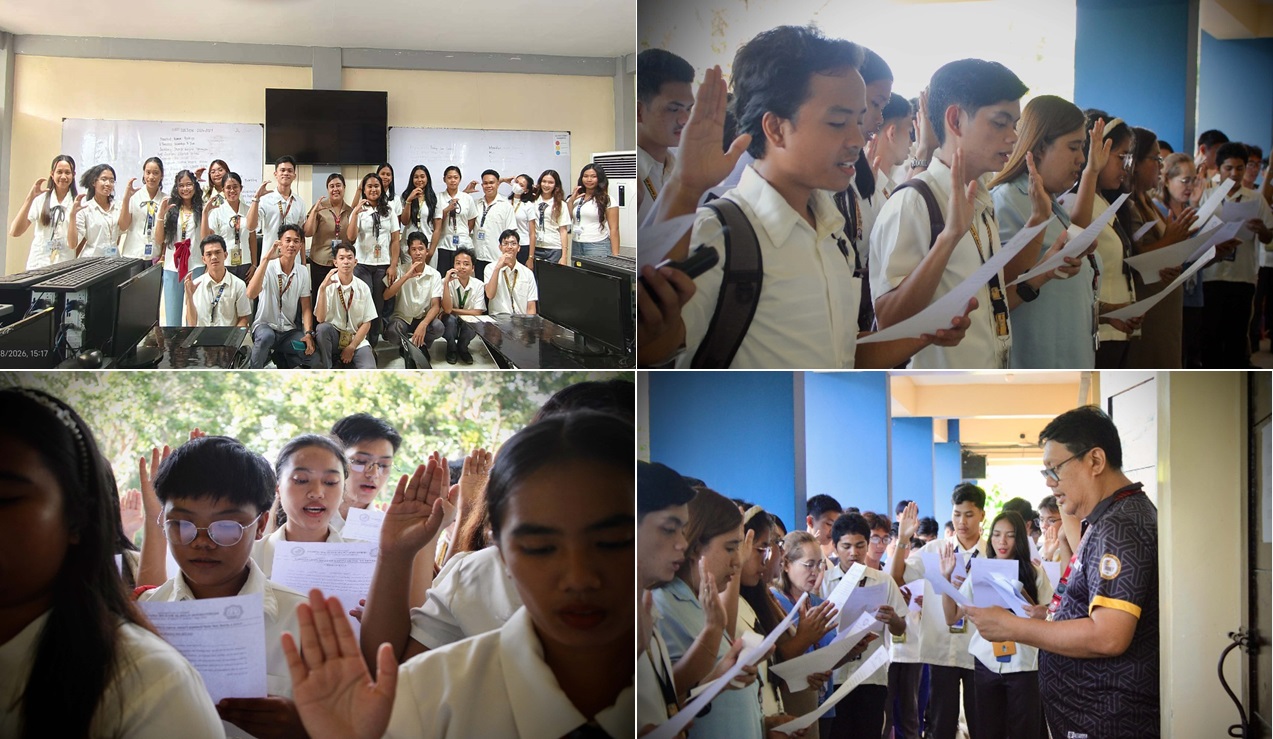
J. Student Development and Activities
K. Accreditation, Recognition, and Professional Outcomes
- AACCUP Level III Reaccredited
L. Career and Graduate opportunities
- Software Engineer
- Systems Software Developer
- Research and Development Computing Professional
- Application Software Developer
- Computer Programmer
M. Program Highlight and Achievements

N. Program Statistics
Enrolment Trend
| Academic Year | First Year | Second Year | Third Year | Fourth Year | Total Enrollment | % Increase/Decrease |
| 2022–2023 | 75 | 65 | 42 | 72 | 254 | - 6.62 % |
| 2023–2024 | 86 | 71 | 63 | 39 | 259 | +1.97 % |
| 2024–2025 | 76 | 86 | 66 | 65 | 293 | +13.13 % |
| 2025–2026 | 79 | 74 | 75 | 67 | 295 | +0.68 % |
| 2026–2027 | 67 | 80 | 72 | 75 | 294 | - 0.34 % |
Analysis:
The enrolment data indicate that the program has maintained a relatively stable and generally increasing student population over the five-year period. Total enrolment rose from 254 to 294 students, despite fluctuations in individual year levels.
A particularly important observation is that upper-year enrolment has generally strengthened. Third-year enrolment increased from 42 to 72, while fourth-year enrolment increased from 72 to 75 over the period. This suggests that a substantial number of students are progressing through the program.
Student Performance
| Indicators | 2022-2023 | 2023-2024 | 2024-2025 | 2025-2026 |
| 1.Licensure Examination Performance | N/A | N/A | N/A | N/A |
| First-Time Takers Passing Rate |
|
|
|
|
| Overall Passing Rate |
|
|
|
|
| National Passing Rate |
|
|
|
|
| 2.Number of Dean's Listers | 8 | 40 | 35 | 99 |
| 3.Number of Graduates with Latin Honors | 5 | 6 | 5 | 12 |
Analysis:
The data indicate a positive trend in student’s performance. The substantial growth in the number of Dean's Listers suggests that more students are attaining the academic requirements for recognition. Similarly, the increase in graduates with Latin honors, particularly in 2025–2026, indicates an increase in the number of students completing the program with outstanding academic performance.
Retention Rate
Formula: Retention Rate = (Students Enrolled in the Next Academic Year ÷ Previous Year's Enrollment) × 100
| Academic Year | Previous Enrollment | Continuing Students | Retention Rate (%) |
| 2022–2023 | 272 | 254 | 93.38 % |
| 2023–2024 | 254 | 259 | 101.96 % |
| 2024–2025 | 259 | 293 | 113.13 % |
| 2025–2026 | 293 | 295 | 100.68 % |
| 2026–2027 | 295 | 294 | 99.66 % |
Analysis:
The data show a generally positive enrolment continuity trend. After declining from 272 to 254 students in 2022–2023, the continuing-student population increased in each of the next three academic years, reaching 295 students in 2025–2026. It then remained almost unchanged at 294 students in 2026–2027.
The retention figures improved from 93.38% in 2022–2023 to above 100% in 2023–2024 and 2024–2025, before stabilizing at approximately 100% in the last two years. Overall, this suggests that the program has maintained a relatively stable student population with strong year-to-year continuity, particularly from 2023–2024 onward.
Completion Rate
Formula: Completion Rate = (Students Completing Program Requirements ÷ Original Cohort) × 100
| Entry Cohort (Year Admitted as First Year) | Expected Year of Completion | Original Cohort Size | Students Completing Academic Requirements | Students Who Did Not Complete | Completion Rate (%) |
| 2018 | 2022 | 75 | 52 | 23 | 69.33 % |
| 2019 | 2023 | 120 | 71 | 49 | 59.17 % |
| 2020 | 2024 | 77 | 38 | 39 | 49.35 % |
| 2021 | 2025 | 89 | 65 | 24 | 73.03 % |
| 2022 | 2026 | 83 | 66 | 17 | 79.52 % |
| 2023 | 2027 | 83 |
|
|
|
Analysis:
The cohort analysis shows that the BSCS program achieved an overall completion rate of 65.77% among the 2018–2022 cohorts, with 292 out of 444 students completing their academic requirements within the expected completion period. Completion rates varied across cohorts, declining from 69.33% in 2018 to 49.35% in 2020, before improving substantially to 73.03% in 2021 and 79.52% in 2022. The 2020 cohort recorded the lowest completion rate, while the 2022 cohort registered the highest. The improvement in completion rates among the 2021 and 2022 cohorts indicates enhanced student progression and completion during these periods. The 2023 cohort, with an expected completion year of 2027, is not yet included in the completion analysis because its students have not yet reached the expected completion period.
Graduation Rate
Formula: Graduation Rate = (Number of Graduates ÷ Original Cohort) × 100
| Academic Year | Original Cohort | Number of Graduates | Graduation Rate (%) |
| 2022 | 90 | 52 | 57.78 % |
| 2023 | 83 | 71 | 85.54 % |
| 2024 | 89 | 38 | 42.70 % |
| 2025 | 77 | 65 | 84.42 % |
| 2026 | 81 | 66 | 81.48 % |
Analysis:
The graduation data from 2022 to 2026 demonstrate varying levels of cohort completion, with graduation rates ranging from 42.70% to 85.54%. The highest graduation rate was recorded in 2023 at 85.54%, followed by 2025 at 84.42% and 2026 at 81.48%. In contrast, the 2024 cohort recorded the lowest graduation rate at 42.70%. The substantial variation among cohorts highlights the importance of continuous monitoring of student progression, retention, and completion. The relatively high graduation rates observed in 2023, 2025, and 2026 indicate positive cohort completion performance, while the lower rate in 2024 warrants further examination to identify factors associated with delayed or non-completion.
Attrition Rate
Formula: Attrition Rate = (Students Who Left the Program ÷ Original Enrollment) × 100
| Academic Year | Original Enrollment | Students Who Left/Transferred/Dropped | Attrition Rate (%) |
| 2022–2023 | 83 | 24 | 28.91 % |
| 2023–2024 | 89 | 14 | 15.73 % |
| 2024–2025 | 77 | 5 | 6.49 % |
| 2025–2026 | 81 | 1 | 1.23 % |
| 2026–2027 | 67 |
|
|
Analysis:
From 2022–2023 to 2025–2026, the attrition rate declined by 27.68 percentage points. At the same time, the number of students leaving, transferring, or dropping decreased from 24 students to only 1 student.
This pattern indicates a substantial improvement in student persistence and continuity. It may reflect improvements in academic advising, student support, monitoring of at-risk students, faculty intervention, learning support, or other institutional measures. However, the table alone does not establish which specific interventions caused the improvement.
Summary of Key Performance Indicators
| Indicator | 2022 | 2023 | 2024 | 2025 | 2026 | Five-Year Average |
| Total Enrollment | 83 | 89 | 77 | 81 | 67 | 79.4 |
| Retention Rate (%) | 93.38 % | 101.96 % | 113.13 % | 100.68 % | 99.66 % | 101.76 % |
| Completion Rate (%) | 57.78 % | 85.54 % | 42.70 % | 84.42 % | 81.48 % | 70.38 % |
| Graduation Rate (%) | 57.78 % | 85.54 % | 42.70 % | 84.42 % | 81.48 % | 70.38 % |
| Attrition Rate (%) | 28.91 % | 15.73 % | 6.49 % | 1.23 % |
| 13.09 % |
O. Contact Information
- Name and Designation of the Program Chair/Coordinator
- Arnold B. Bañes, EdD / Chairperson, Computer Science Department
-
- College/Academic Unit
- College of Information and Computing Studies/Computer Science Department
-
- Campus
- Estancia
-
- Official NISU email address
-
This email address is being protected from spambots. You need JavaScript enabled to view it.
-
- Official contact number
- 09174218048
- Office location
- CICS Building
-